
iKMC for Neonatal Intensive Care Units (NICUs)
WHO guidelines now advocate that almost all babies, including preterm babies, should be placed in skin-to-skin contact with their mother (Kangaroo Care) from immediately after birth. This should be as continuous as possible with no separation between parents and babies. The kangaroo position, on mother, father or another family member, becomes the place where babies are kept warm and receive treatment, representing a huge change in how preterm babies are cared for.
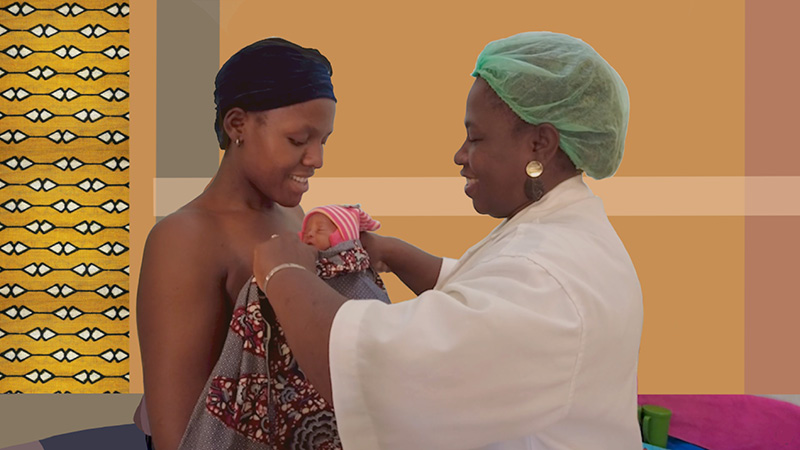
1 – Introduction to iKMC
This film introduces the concept of Immediate Kangaroo Mother Care (iKMC), where babies are held in skin-to-skin contact with their mother or father right after birth.
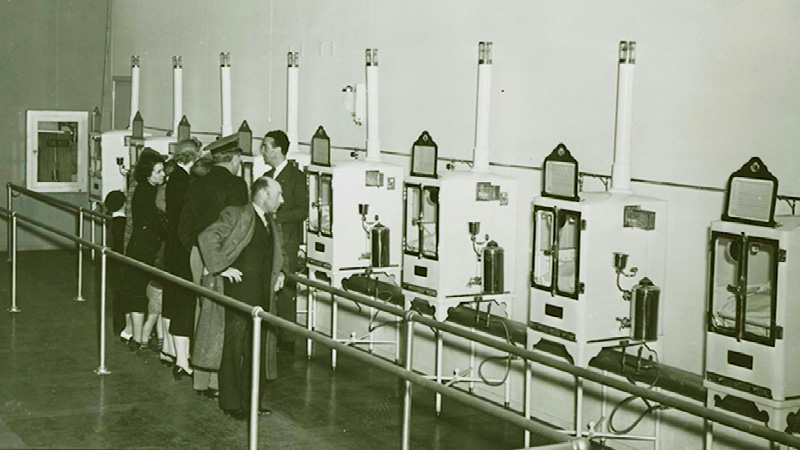
2 - History of separation and KMC
This film looks at how the introduction of incubators led to parents and babies being separated, and traces the adoption and spread of Kangaroo Care as its benefits have become clear.

3 - The iKMC Study
WHO guidelines were changed after a landmark clinical trial showed a 25% reduction in mortality in NICUS adopting KMC. This film tells the story of the trial and the research that led to it.
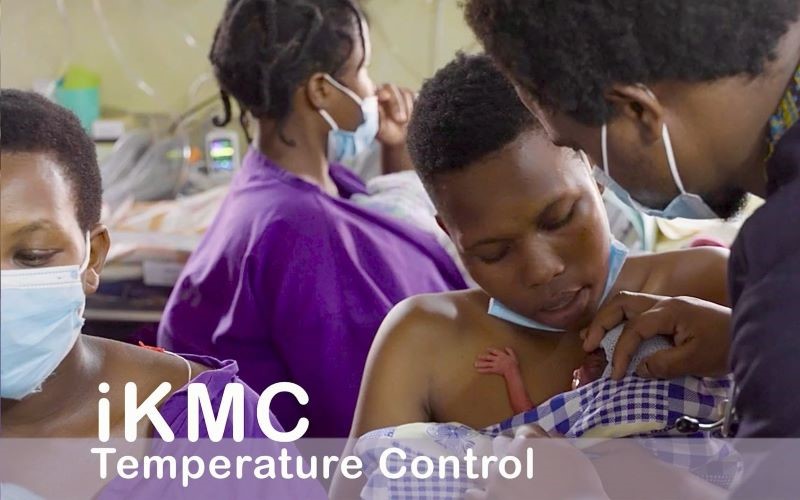
4 - Temperature Control
This film explains how skin-to-skin contact between a preterm baby and its mother, father or another relative can be more for body temperature control than an incubator.
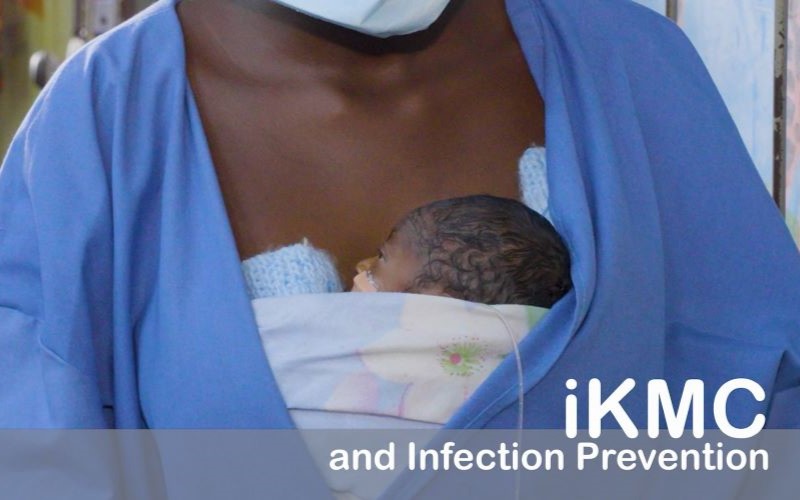
5 - KMC and Infection Prevention
Infection is the big killer of preterm babies, particularly in low resource settings - but kangaroo care is associated with a major reduction in infection rates in NICUs.
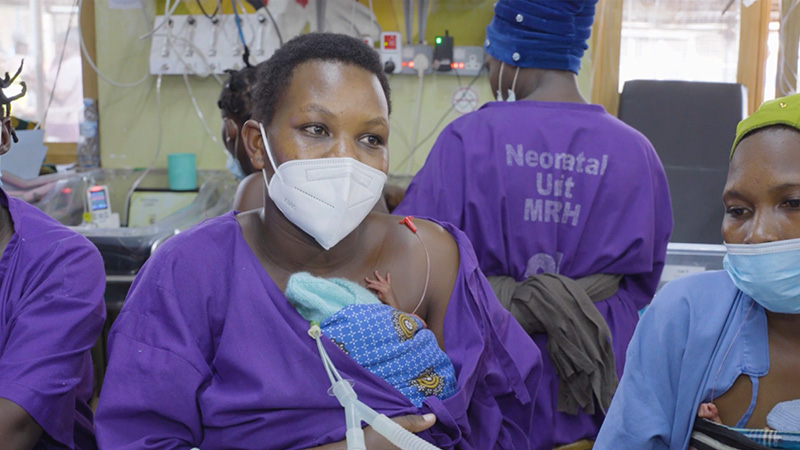
6 - Neurological Benefits
In the short term, iKMC reduces stress in newborn babies. It also helps long-term development, promoting greater brain growth which can be measured many years later.
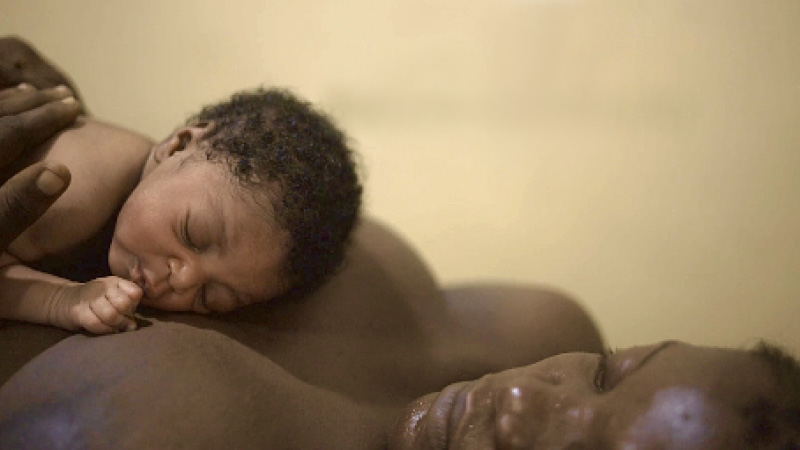
7 - Introduction to an M-NICU
WHO has recommends that mothers and preterm babies be in one unit - the Mother-Neonatal Intensive Care Unit or M-NICU. This film shows what the ideal M-NICU looks like.

8 - Ten years of Kangaroo Care at Mbale Hospital
This film, made at a Ugandan hospital, shows a NICU where Kangaroo Care has been at the centre of care since 2014, leading to dramatic reductions in mortality, despite scare resources.
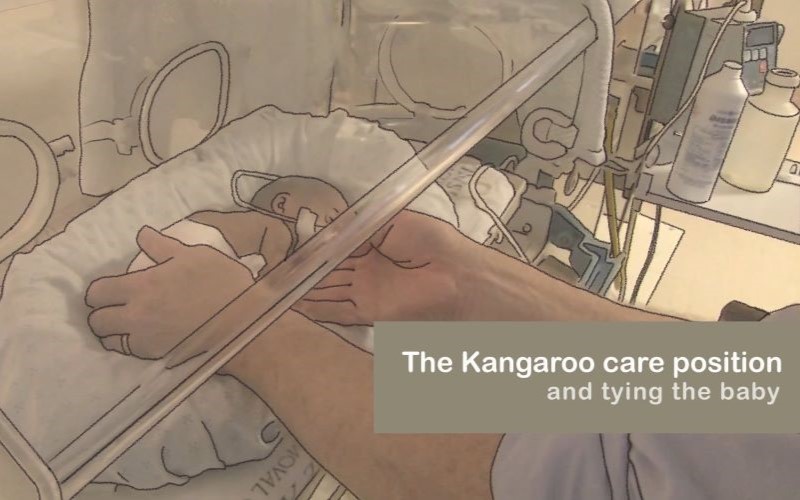
9 - The Kangaroo care position and tying the baby
Very small preterm babies need to be handled and placed much more carefully than the older babies. This film shows how to tie a baby in iKMC, using the method adopted in the iKMC study.
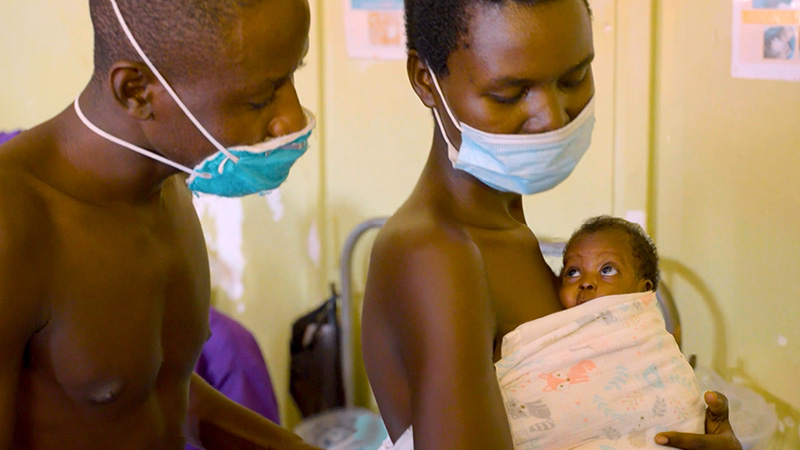
10 - Teaching parents and further methods of tying in KMC
This film shows how parents can learn to tie their baby in skin-to-skin contact. It also shows other methods of trying babies in iKMC, to monitor for problems and carry out other nursing tasks.
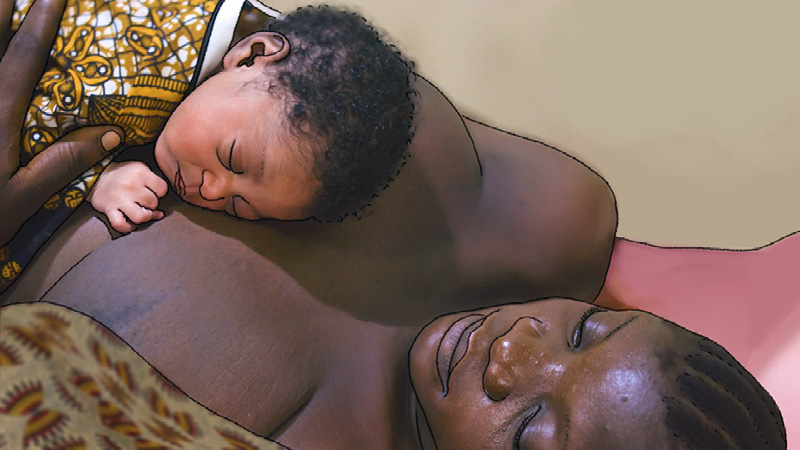
11 - Immediate KMC and transfer to the NICU
This film shows the journey of the baby from the delivery suite to the NICU, already in skin-to-skin contact - and highlights the importance of training for staff at other health facilities.
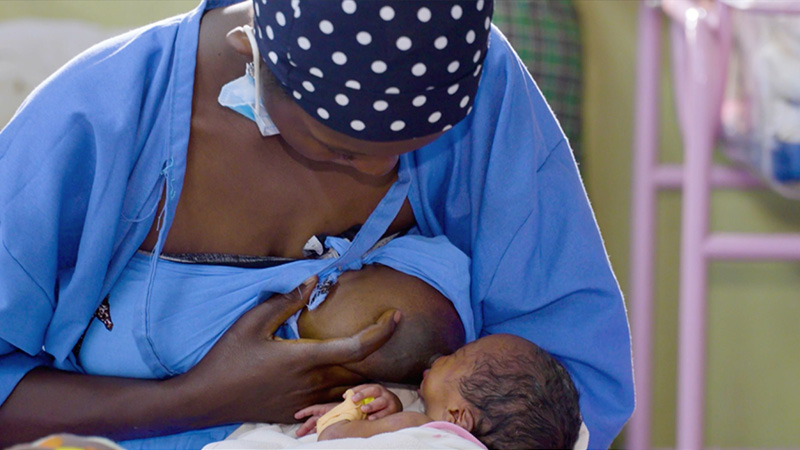
12 - Feeding the baby
Mothers who do Kangaroo Care are likely to produce milk much more quickly and babies are more likely to learn to suckle earlier - huge benefits for preterm babies who often struggle to feed.
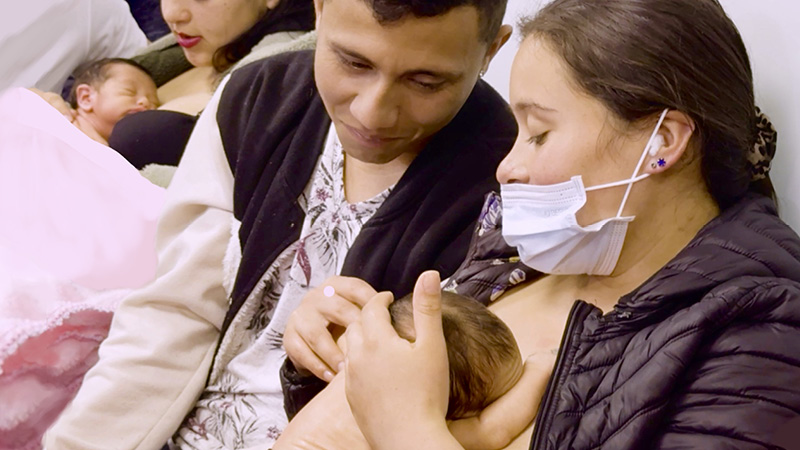
13 - Family Centred Care in the NICU
iKMC puts parents at the heart of caring for their newborn from the start, and can take on many basic tasks. For health care staff it means learning to work with and teach skills to parents.
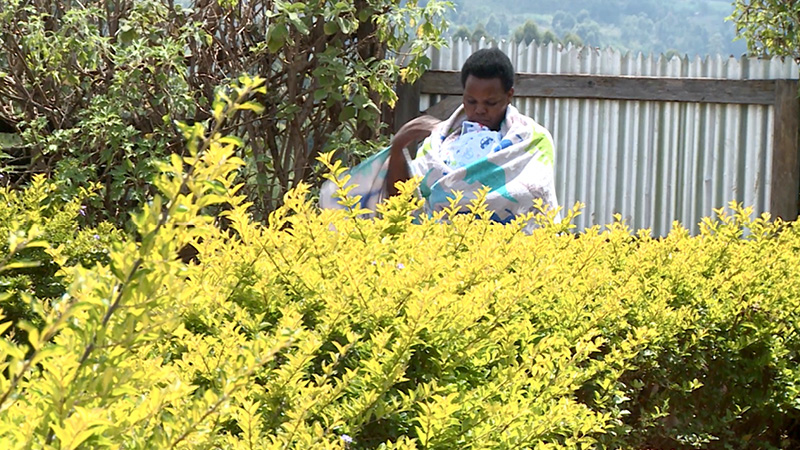
14 - Going home
Early discharge of babies is a cornerstone of iKMC. This film looks at some of the practicalities of discharging preterm babies earlier - and also the benefits.