
When I first pulled my phone out of my pocket in 2021 and opened a new puzzle‑style game, I noticed a pattern that has since rippled across the country: people are spending less time in physical cafés and more time in virtual worlds, with the average Australian now logging 90 minutes a day on mobile games.
1. The Shift from Console to Pocket
For a decade, console and PC titles dominated the home entertainment budget. In 2023, however, the Australian Game Developers Association reported that mobile titles accounted for 55 % of all new game downloads. That jump is driven by two factors: the ubiquity of 5G networks and the rise of cross‑platform storylines that let players switch devices without losing progress. In practice, this means a teenager can start a narrative on a tablet at home, pause on a phone during a bus ride, and finish on a smartwatch before dinner.
2. Monetization Models That Fit a Wallet
Unlike subscription services that require a monthly fee, mobile games often use a “freemium” model. Players pay nothing upfront but can buy in‑app currency for cosmetic items or speed‑ups. In 2022, the average spend per active player in Australia was $7.50, with the top 10 % contributing 80 % of the revenue. This tiered spending mirrors the way Australians treat coffee: most grab a regular brew, while a small group splurges on specialty blends. The result? Developers can fund larger projects without locking users into long‑term contracts.
3. Community and Social Integration
Mobile games now embed social features that rival traditional social media. A popular battle‑royale title added a “Friend Play” mode in late 2023, allowing up to 10 players to team up across devices. Within six months, the game’s player base grew from 2.3 million to 4.1 million. The key is that players can invite friends through existing messaging apps, turning casual gaming into a group activity. This mirrors the way Australians share music playlists, but with an interactive twist.
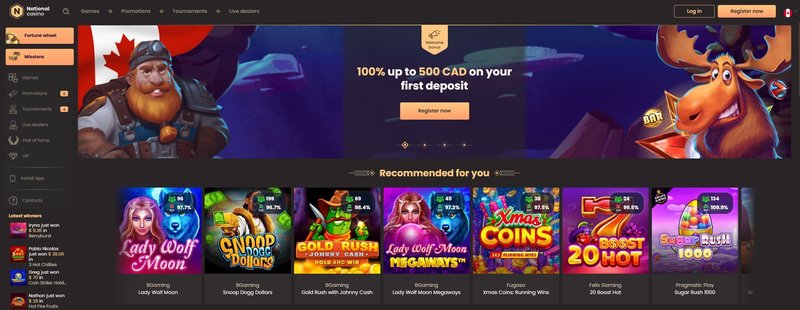
For players who enjoy both gaming and chance, the line between mobile titles and online casinos is increasingly blurred, offering a seamless transition from a quick puzzle to a thrilling spin. National Casino Au provides a platform where users can experience both worlds in one convenient app.
4. Economic and Cultural Ripple Effects
Local indie studios are thriving. In 2024, a Melbourne‑based developer launched a narrative game that won the Australian Game Awards’ “Best Narrative” category, earning $120 000 in prize money and a 200 % increase in downloads. The success story shows how mobile platforms lower entry barriers: a small team can produce high‑quality content on a laptop and reach millions without a major publisher. Meanwhile, the rise of mobile esports tournaments has created new career paths for players who stream gameplay on Twitch, earning sponsorships that average $3 000 per month.
National Casino Au has become a popular destination for those who enjoy both gambling and gaming, blending the thrill of chance with the strategy of mobile titles. Players often start a casual game on their phone and then transition to a casino app for a quick spin, enjoying the convenience of instant play.
5. Limitations and the Road Ahead
Not every player is a fan of microtransactions. A 2023 survey found that 18 % of Australians feel that in‑app purchases create an unfair advantage in competitive titles. Additionally, data usage can spike during large multiplayer events, costing users up to $5 a month on cellular plans. For developers, balancing monetization with fairness remains a tightrope walk.
Conclusion
Mobile gaming has moved from a niche pastime to a mainstream force that reshapes how Australians spend leisure time, earn money, and connect socially. As network speeds improve and game designers experiment with new monetization strategies, the trend is set to grow, turning every pocket into a portal for entertainment.
Frequently Asked Questions
What drives Australians to prefer mobile gaming over cafes?
The convenience of pocket‑size devices, instant access to games, and the growing variety of high‑quality titles make mobile gaming a daily habit for many Australians.
How has the industry shift affected console sales in Australia?
Console sales have seen a modest decline, with many households opting for subscription services and free‑to‑play mobile titles that offer similar entertainment value.
Are there concerns about the social impact of mobile gaming in Australia?
Yes, experts warn of reduced face‑to‑face interaction and increased screen time, but they also note that many mobile games foster online communities and skill development.
What future trends could further change the entertainment landscape?
Emerging technologies like AR, cloud gaming, and cross‑platform titles are likely to blur the line between mobile and console experiences, further accelerating the shift.
Recent Comments